.png?width=122&height=103&name=image%20(1).png)
A truly beautiful lawn doesn’t start with chemicals—it starts with healthy soil. Organic, ecologically friendly lawn care focuses on strengthening the soil ecosystem so your grass can thrive naturally. By combining core aeration, compost topdressing, and overseeding, you create the ideal environment for thick, resilient turf without relying on synthetic fertilizers or harsh treatments.
Overview of the Core Services & Their Benefits
Core Aeration
Aeration removes small plugs of soil from your lawn to relieve compaction and improve airflow, water movement, and nutrient absorption. This is especially valuable in areas with dense clay soils, which tend to restrict root growth and drainage. Healthier soil structure means deeper roots and stronger grass.
Compost Topdressing
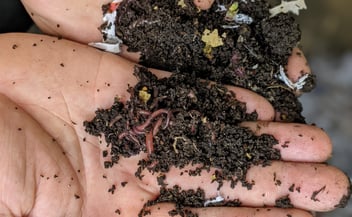
A thin layer of nutrient-rich compost is spread across the lawn to add organic matter, improve soil structure, and stimulate beneficial microbial life. Compost helps break up heavy soils, improves moisture retention, and enhances seed-to-soil contact—boosting germination rates and supporting long-term soil health.
Overseeding
Overseeding introduces high-quality grass varieties into existing turf to fill in thin areas and increase density. A thicker lawn naturally crowds out weeds, improves durability, and reduces the need for synthetic fertilizers by strengthening the grass’s natural nutrient cycle.
Together, these services build a lawn from the ground up—creating healthier soil, stronger roots, and greener grass that’s safer for families, pets, and the environment.
A Spring-Start Timeline for a Great Lawn
Starting in spring sets the foundation for season-long success. Here’s how an organic approach unfolds:
Early Spring (March–April): Assess & Prepare
- Rake away debris and gently loosen matted grass from winter.
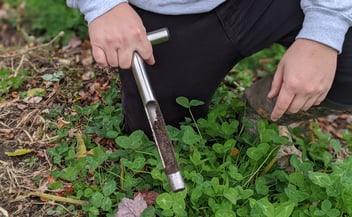
- Perform a soil test to understand nutrient levels and pH.
- Plan your aeration and overseeding schedule as temperatures consistently reach 50–65°F (ideal for cool-season grass growth).
- Also ideal for newly built homes needing organic matter added back into the soil.
Goal: Wake up the lawn and prepare the soil for improvement.
Mid to Late Spring (April–May): Aerate & Overseed
Step 1: Core Aeration
Relieve compaction and create openings in the soil to allow oxygen, water, and nutrients to penetrate deeply.
Step 2: Overseeding
Spread quality grass seed immediately after aeration. The holes created by aeration provide ideal seed-to-soil contact for improved germination.
Step 3: Topdressing
Apply a light layer (about ¼ inch) of screened compost over the lawn.
- Enhances moisture retention as temperatures rise
- Adds slow-release organic nutrients
- Increases beneficial microbial activity
- Supports stronger seed establishment
Goal: Establish new grass plants and encourage deeper root development before summer stress arrives. Feed the soil naturally while protecting and nourishing new seedlings.
Summer (June–August): Maintain Naturally
- Water deeply but infrequently to encourage deep roots
- Mow high (around 3–4 inches) to shade soil and reduce stress
- Avoid heavy chemical treatments that disrupt soil biology
Goal: Help your lawn withstand heat and dry conditions through strong root systems.
Early Fall (Mid August–October): Reinforce & Strengthen
Fall is the ideal time for a second round of aeration, overseeding, and topdressing. Cooler temperatures and natural rainfall create excellent growing conditions for cool-season grasses.
Goal: Thicken turf before winter and strengthen roots for the following spring.
Why Organic Lawn Care Works
Instead of forcing growth with synthetic inputs, organic lawn care builds long-term soil health. Healthier soil means:
- Better water absorption and less runoff
- Fewer weeds and reduced need for chemical fertilizers
- Stronger, more resilient grass
- A safer outdoor environment for children, pets, pollinators, and local waterways
By starting in spring and following a thoughtful, soil-first plan, you can cultivate a lush, sustainable lawn that looks great—and supports the ecosystem around it.